
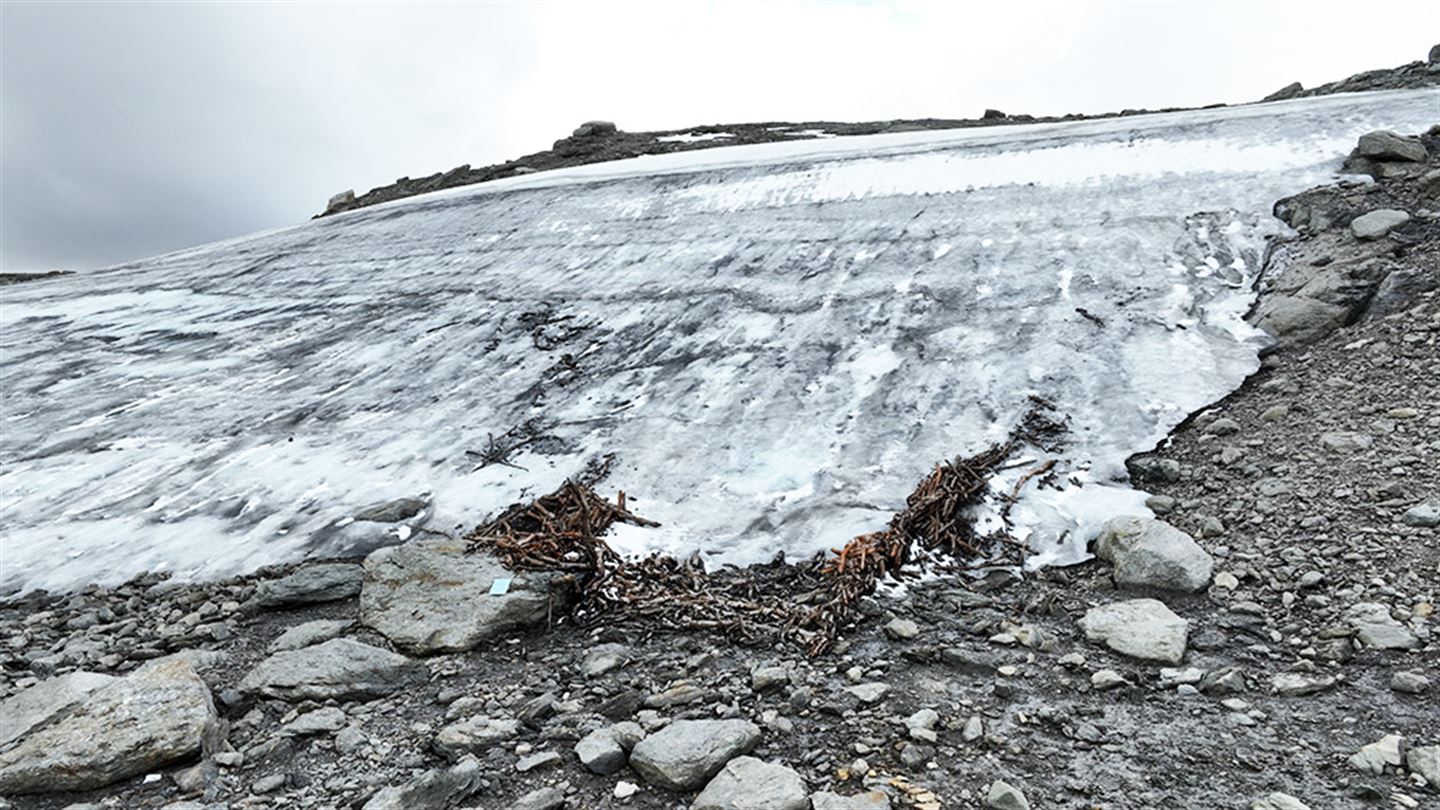
In the fall of 2024, a hiker named Helge Titland was trekking through Aurlandsfjellet, a mountainous region and plateau in Norway and got a little more than just some time with nature. Titland found some strange wooden stakes peaking out of melting snow. He wisely reported it to local archaeologists, but snow returned before the team could investigate. One year later, a team from Vestland County Municipality and the University Museum in Bergen returned to the site and found a 1,500-year-old mass reindeer trapping system.
“This is the first time a mass hunting facility made of wood has emerged from the ice in Norway, and the facility is probably also unique in a European context,” Øystein Skår, an archaeologist in Vestland County Municipality, said in a museum statement.
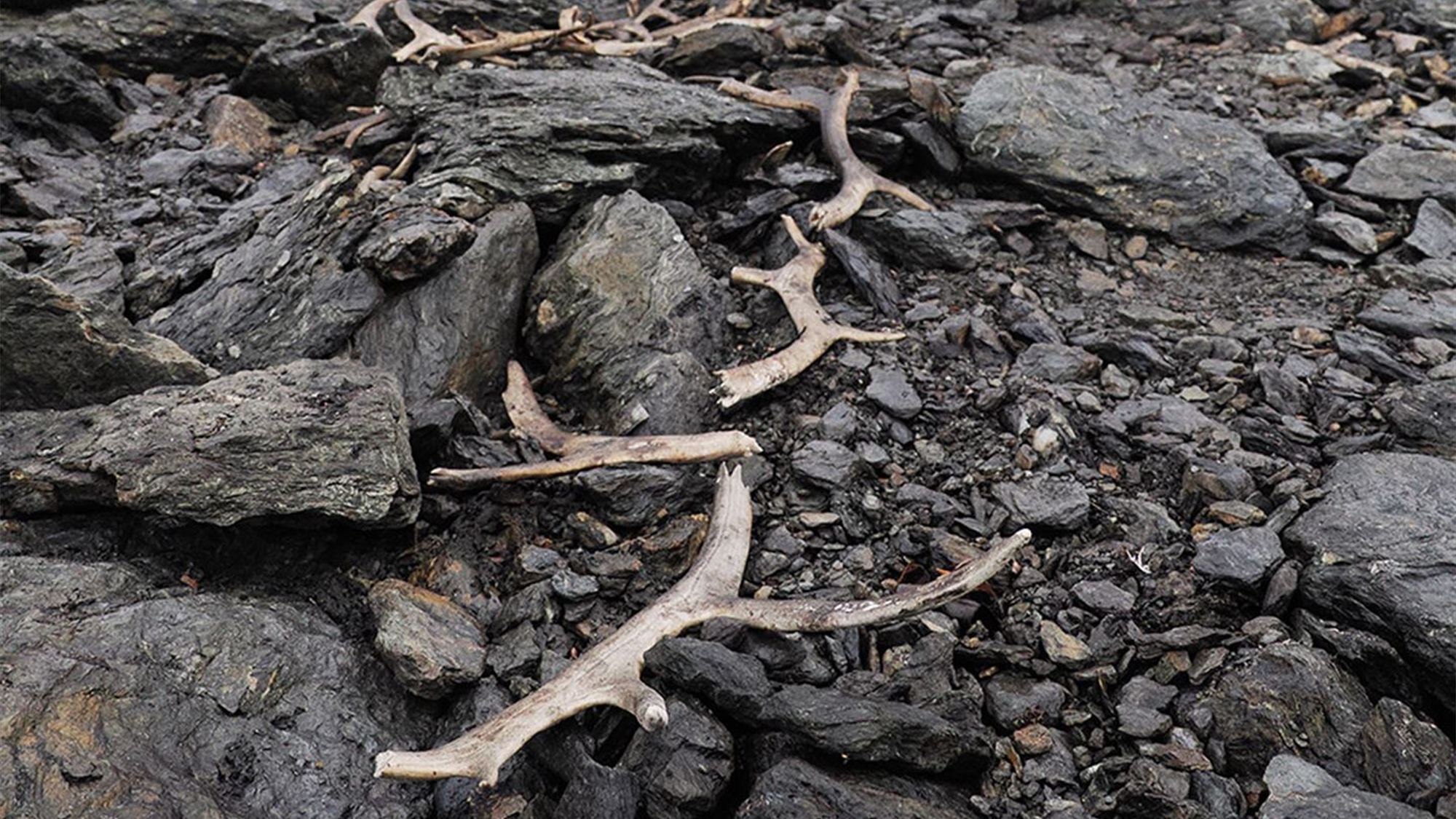
Skår and his colleagues also found several very well-preserved reindeer antlers, which confirm the nature of the facility, according to the archaeologist. “All the antlers have carving marks, which gives us deeper insight into the hunting activity itself,” he added. Sorry, Rudolf.
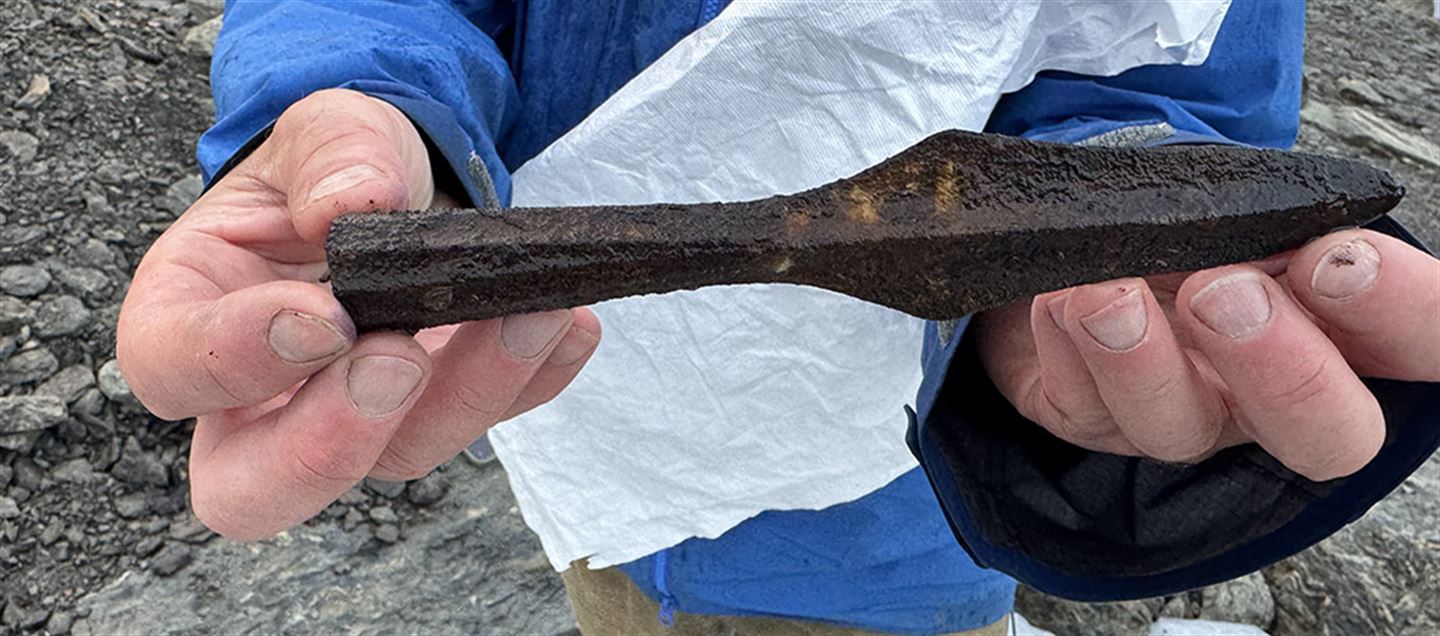
The remains of this ancient trapping system consist of hundreds of carved wooden posts. The researchers also identified two fences that would have led the reindeer into a pen to be killed. Artifacts came to light as well, including iron spearheads, wooden spear shafts and arrow shafts, parts of bows, and puzzling objects finely crafted in wood. While their exact purpose remains mysterious, they were likely also connected to the hunt.
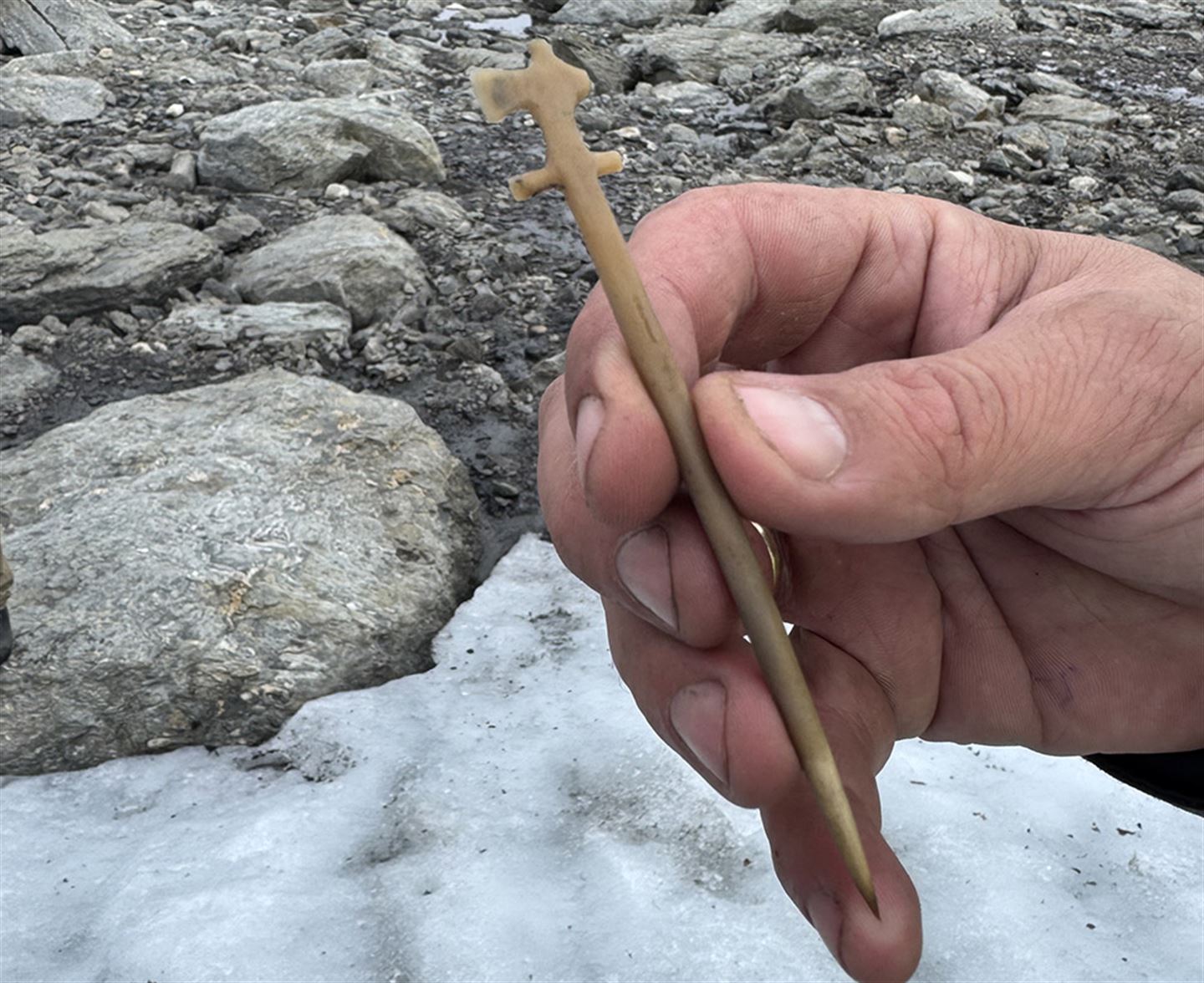
Furthermore, the team found “a beautifully designed dress pin made of antler, which was probably lost by a trapper in the heat of battle,” Skår added. “The most surprising find, however, is one or more oars with intricate ornamentation. What these were used for, and why they were taken to the mountains 1500 years ago, is still a mystery.” After all, the hunting facility is over 4,500 feet (1,400 meters) above sea level.
The site has remained remarkably well preserved due to a cold period that struck around the middle of the 500s, covering it in snow all year long and eventually sealing it in ice. The remains have been protected by optimal preservation conditions—cold, dark, and damp—until now. The objects recovered by the archaeologists are now sitting in a freezer at the museum, slowly drying. However, they weren’t able to take everything with them.
“The problem going forward is that things will disappear because people will take the artifacts with them. In addition, all the wood will quickly decay if the ice disappears further,” Skår concluded. He hopes that parts of the discovery will one day make it into one of the museum’s exhibits.
It’s a good reminder to leave things where they belong—though some might warrant phoning in the local archaeological team.
