
Popular Science. Demystifying the worlds of science and technology since 1872.

In 1934, a doctor brought a dog back to life. He tried to do the same with humans.
Dr. Robert Cornish was a real-life Victor Frankenstein.





Podcasts
Latest Articles

Family finds World War II grenade in grandfather’s basement
Fall cleaning gave the Michigan residents an unexpected surprise.

Spending in‑person time with friends is the biggest predictor of whether college students flourish
Students who spent more hours socializing with friends, attending student organizations and participating in cultural events tended to report feeling an overall sense of well-being.
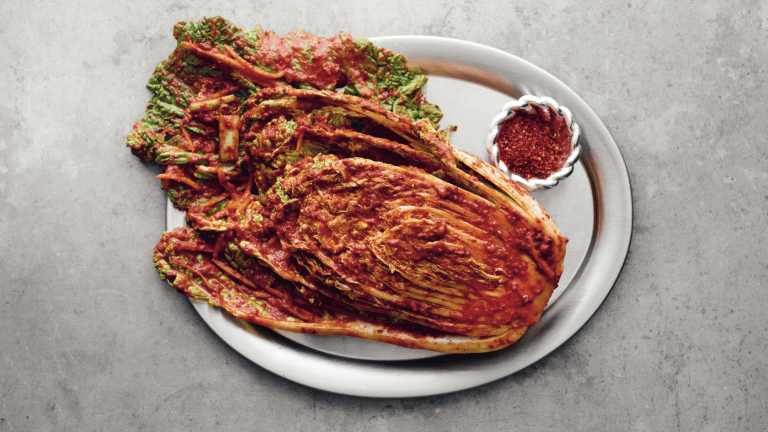
Celebrate the flavors of fall with three spicy recipes
A new book offers a history lesson with every spice.

23 dazzling panoramic images from the 2026 Epson International Pano Awards
A sweeping view of our beautiful planet.

Can science save meetings?
The research is rolling in, and the answer is yes. It’s possible to turn tedious work gatherings into more effective and enjoyable experiences.
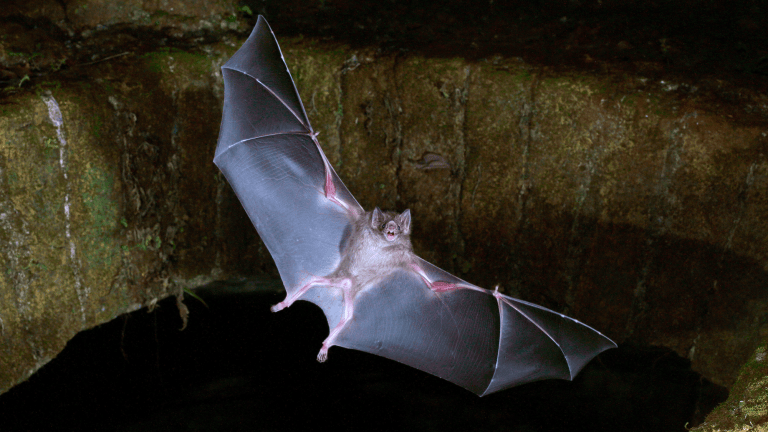
6 ways bats are surprisingly human
We share more in common with our winged mammal compatriots than what meets the eye.

When powerful women are remembered as witches, we should challenge the historical motive
Not all witches are evil.
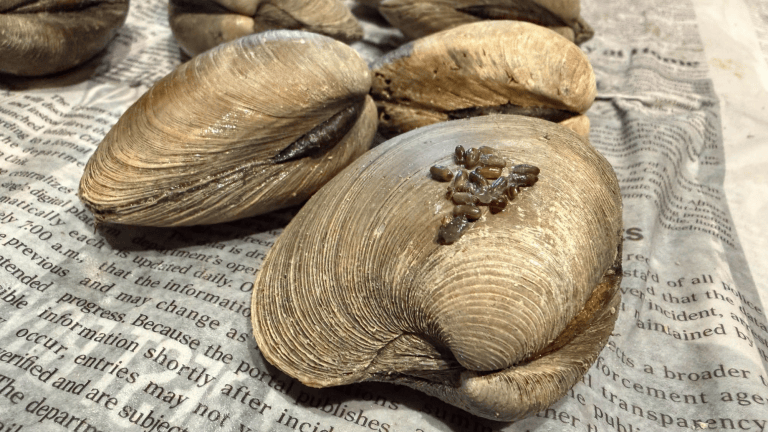
Why volunteers are gluing seeds to clam shells in Connecticut
Using the bivalves as gardeners could help protect vulnerable coastlines.

How to turn your smartphone into a mobile video editing suite
Adobe offers a free video editor for your phone—here’s what it can do.

12 striking images from European Wildlife Photographer of the Year 2026
From slumbering bats in the caves of Hungary to peaceful bison in rural Poland.


Play ‘Doom’ on this tiny, uterus-shaped period tracker
Clotty also doesn’t share any personal data.
Popular Science Cover Art Store
Own a piece of science history.

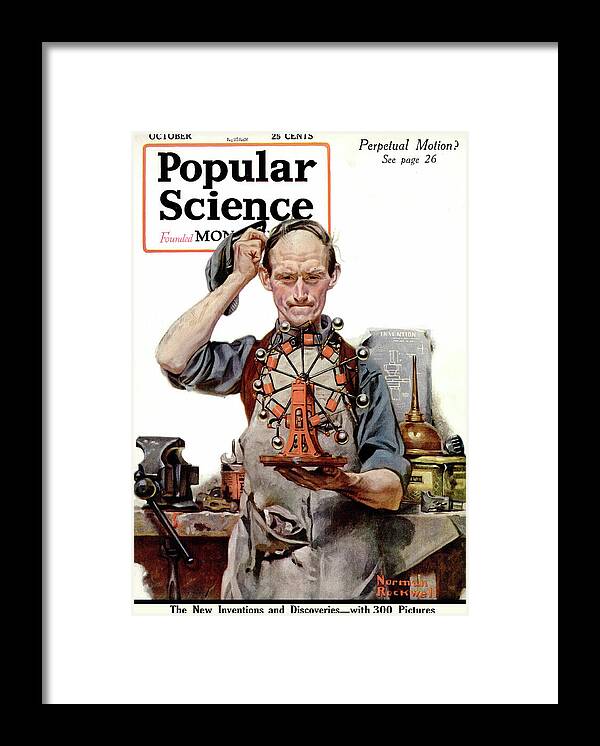
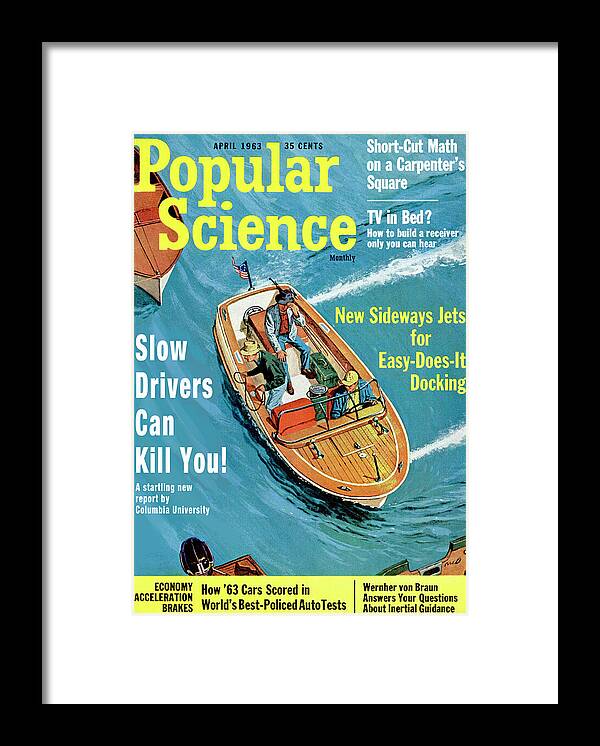
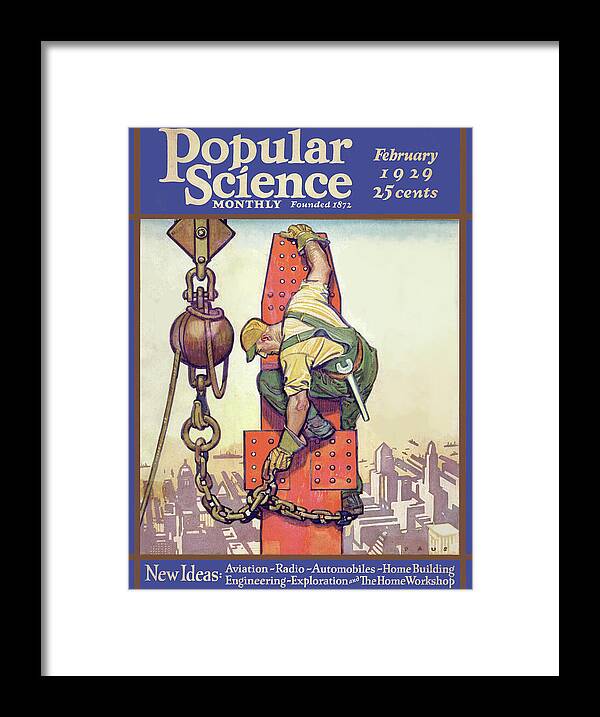

Popular Science has been demystifying the worlds of science and technology since 1872. We explain the inner workings of the phone in your pocket, explore world-changing innovations, and examine everything from the marvels of deep space to the secret lives of staples like bread. We deliver an engaging, approachable, and inclusive look at emerging technologies and scientific advances.
Daily, Popular Science unpacks the science behind the top current new stories, dissects the latest technology and digital trends, and helps readers live smarter, safer, and happier through clever DIY projects.
Meet the team
Our writers and editors


