
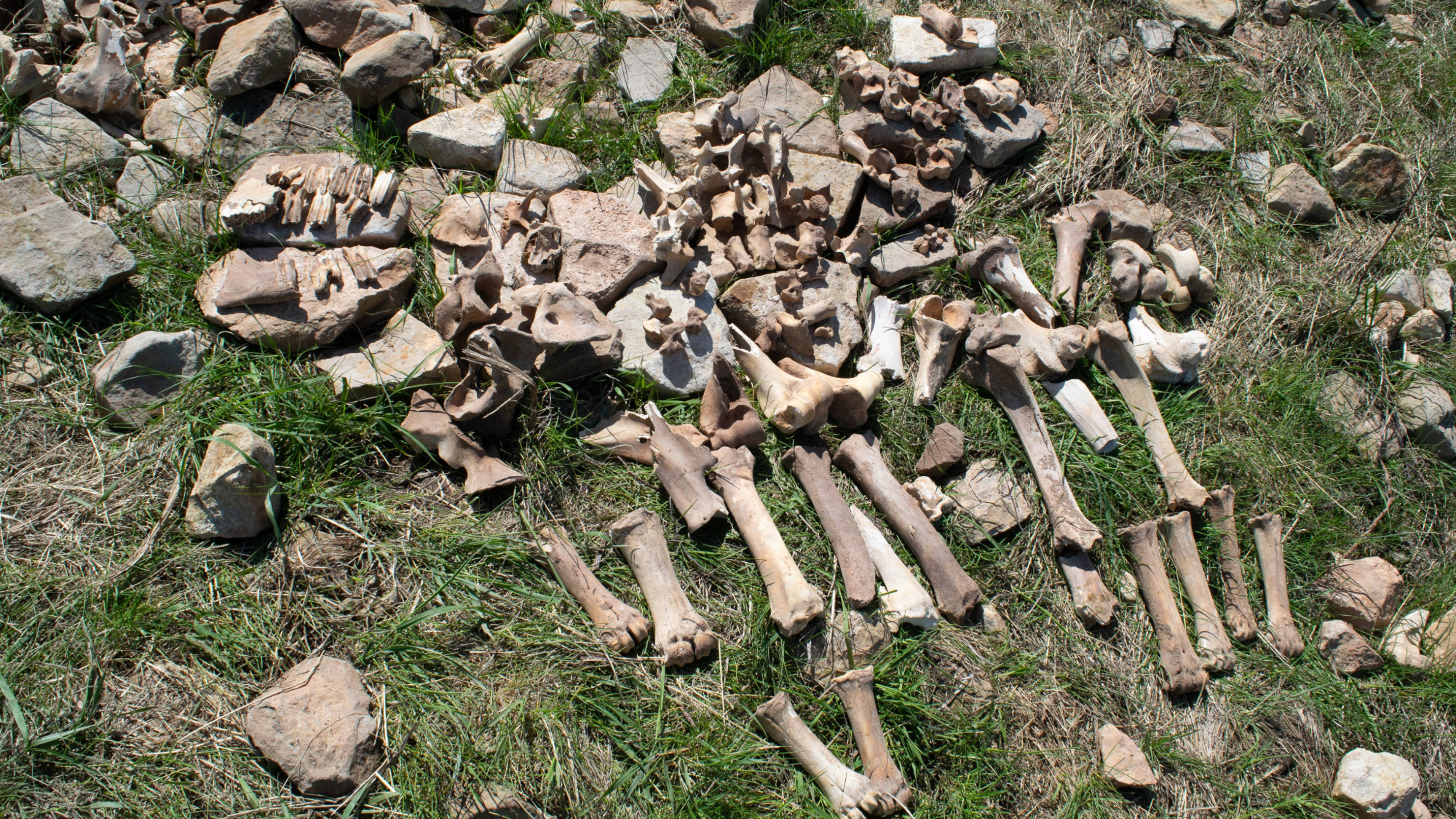
Bison are an enduring and iconic symbol of North America’s vast Great Plains. The large mammals have been hunted for thousands of years, and were almost driven into extinction in the late 1800s. Over thousands of years, bison hunters used different sites, but why they abandoned hunting grounds has been an archaeological mystery. For the Bergstrom site in present-day Montana, climate change may have been to blame. The findings are detailed in a study published today in the journal Frontiers in Conservation Science.
“We found that bison hunters ceased using a kill site in central Montana around 1,100 years ago,” Dr. John Wendt, a study co-author and paleoecologist at New Mexico State University said in a statement. “It appears that hunters stopped using it because severe, recurring droughts reduced the water available for processing animals at a small nearby creek. Site abandonment was a response to environmental stressors and changing social and economic pressures.”
1,000-year-old puzzle pieces
Located near the town of Judith Gap in central Montana, the Bergstrom site was used to hunt and kill bison for at least 700 years. To try and piece together why hunters stopped using the site over 1,000 years ago, the team used archaeological excavation, sediment coring, and laboratory analyses.
“The Bergstrom site presented a puzzle because it was used intermittently and abandoned when bison were common throughout the region and hunting was intense,” Wendt said. “Why would hunters stop using a site that had worked for so long?”
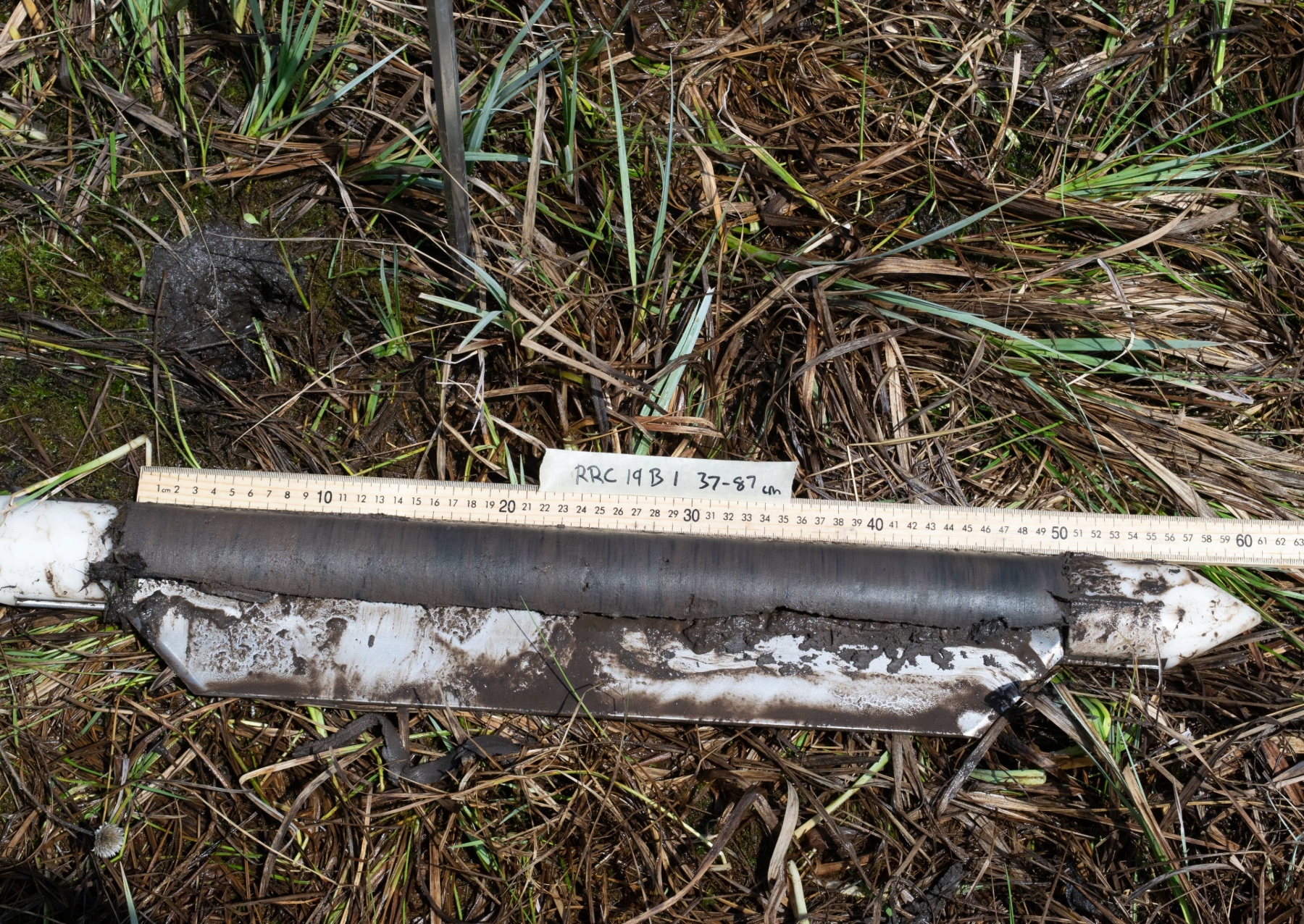
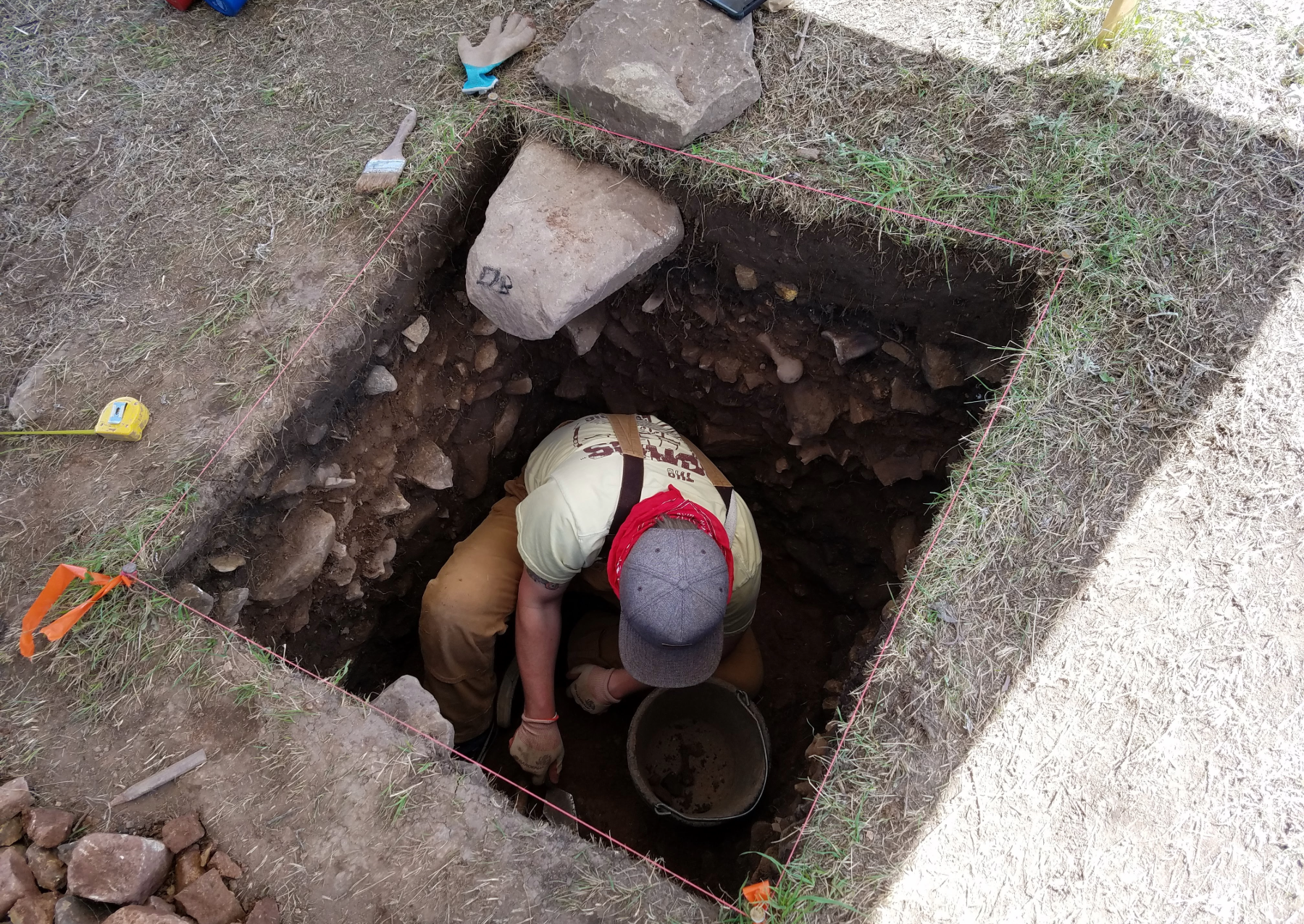
In the spring of 2019, the team dug nine 3.2 feet by 3.2 feet (1 by 1 meter) excavation pits. They documented and photographed all of the excavated materials, sent charcoal fragments for radiocarbon analysis, and collected two sediment cores next to the excavation records. Sediment cores are dug deep into the ground and the layers of dirt, sand, and other material work like a geological time capsule. With these particular cores, the team looked for pollen and charcoal fragments, since the pollen can indicate what plants were growing and when and the charcoal indicates human presence through fires. Lastly, they used climate reconstructions and other ecological data to track the presence of large herbivores in the area.
The team was able to see if ecological changes explained why Bergstrom was abandoned—or if another factor was driving the bison hunters away.
“Abandonment wasn’t because the site became ecologically unsuitable in any absolute sense. Bison were still around, vegetation hadn’t changed, and there was no substantive shift in fire activities,” Wendt said. “Bison hunting activity was not simply following prey populations.”
A strategic change
Instead of bison population drops, severe droughts stretching decades hit the region both before and after Bergstrom was abandoned for the last time. These droughts limited how much water was available, and made locations with little or no water less attractive to groups of hunters. At the same time, many bison hunters reorganized themselves from smaller more mobile groups that worked opportunistically, into larger and more coordinated groups who built infrastructure and occupied hunting sites for longer periods of time.
“These larger operations were based on large kills and could produce surplus for trade and winter storage, but they also meant more dependence on specific resources like water, forage for larger herds, and fuel for processing fires,” said Wendt.
The sites with these characteristics were more scarce, since they needed topographic features that could support large bison drives, including cliffs for jumps and areas that could contain herds. However, if a space had these characteristics, they often saw repeated, large-scale use over hundreds of years.
Hunting culture and flexibility
According to the team, favoring the larger sites meant hunters had to count on everything going right, since these sites were more difficult to replace. Hunters worked at these sites over generations, so they could reorganize as the conditions changed. The team believes that passing down that cultural knowledge and flexibility allowed this type of hunting organization to persist as the climate changed. This flexibility is also seen in modern bison management systems.
Other bison hunting sites in the region may not have the same conclusions and could have been abandoned for other reasons. Additionally, while this study shows use for around 700 years, the team could not determine how long each use period lasted or how often the site was used during this time. The Bergstrom site also may have seen infrequent, low-impact use that left minimal traces on the land.
“While people have been adapting to the climate for much longer, Bergstrom’s abandonment shows that people reorganized in response to recurring droughts in the last 2,000 years,” concluded Wendt.
