
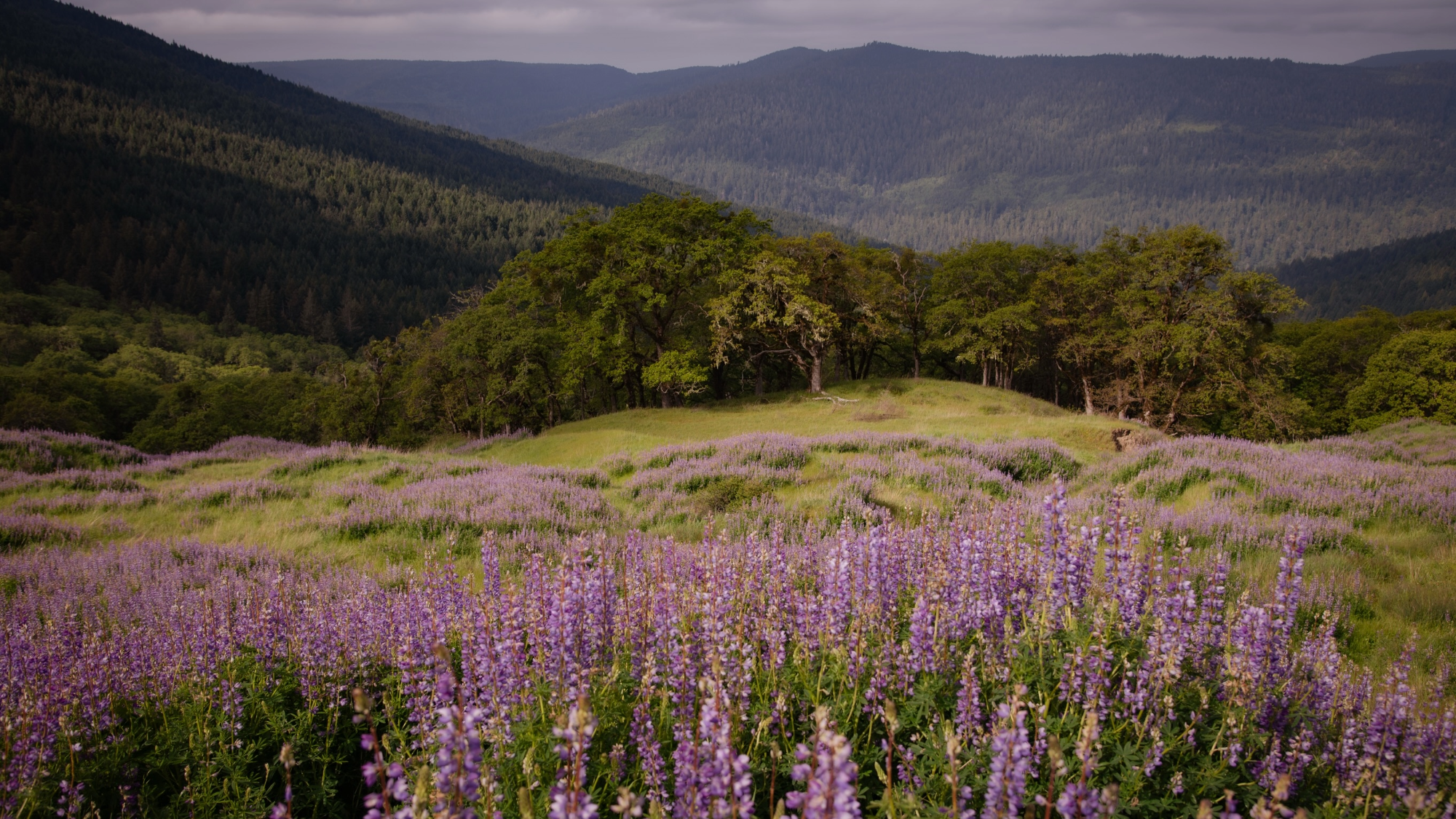
Death Valley National Park’s ephemeral spring superblooms get most of the attention, but another national park in California has its own impressive floral show this year. Redwood National Park in northern California is awash in a purple riverbank lupine (Lupinus rivularis) superbloom. It was first spotted earlier in May and is expected to last through the end of the month.
The park six hours north of San Francisco is home to over 30 species of plants, including to the state’s famous redwood trees—the tallest trees in the world. The landscape features open prairies, oak woodlands, wild rivers, and untamed coastline.
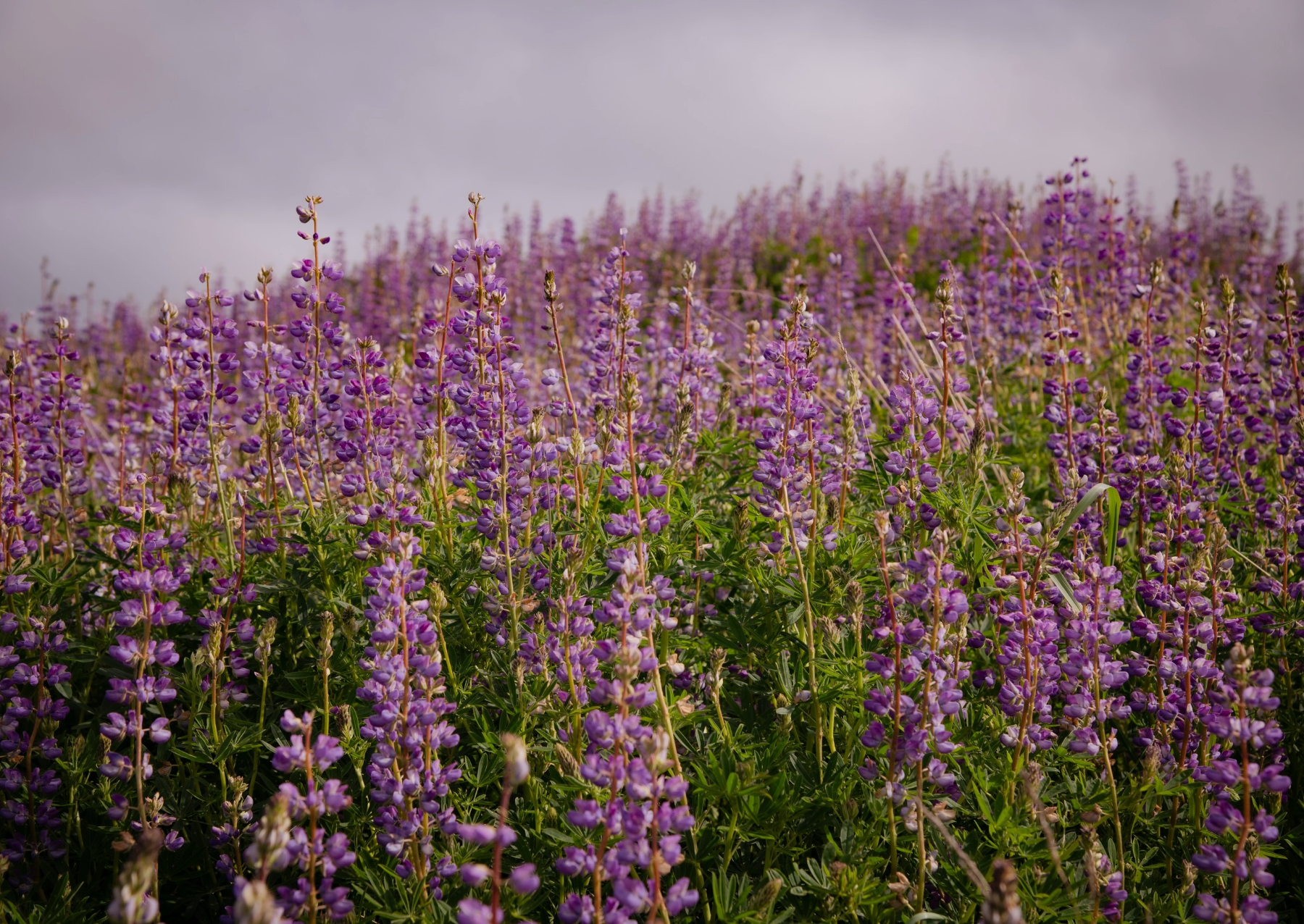
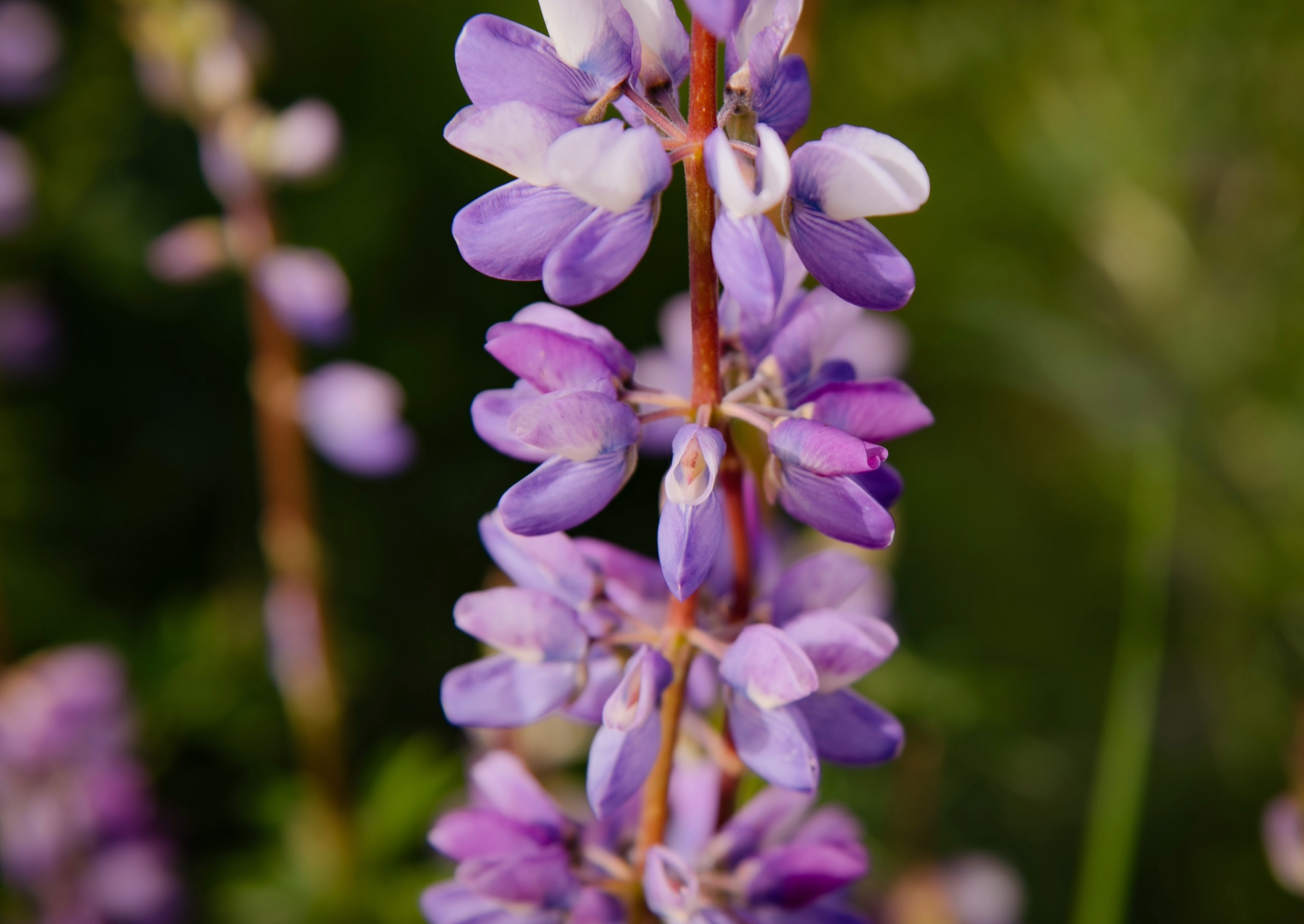
This year’s purple riverbank lupines are blooming at the Lyons Ranch Trailhead and covered the Bald Hills with purple flowers. Riverbank lupine is a fast-growing and multi-stemmed member of the pea family (Fabaceae) that can grow up to five-feet tall. Its seeds provide food for birds, while its dense patches give rabbits, birds, and other small animals cover. Bees are also attracted to its pollen and nectar, and the plants possibly host two species of butterflies—the orange sulphur (Colias eurytheme) and the western tailed blue (Cupido amyntula).
This year’s lupine super bloom is more than just pretty purple flowers coloring the landscape. Lupine also demonstrates how prescribed burns play an important supporting role in prairie ecosystems.
“The prairies of the Bald Hills have been managed using fire since time immemorial, revealing a fascinating trend in the relationship between fire and flowers,” park rangers wrote in a Facebook post.
These flowers consistently bloom “in abundance” two years after a prescribed fire. The fire likely helps the hard-coated seeds germinate, leading to a super bloom.
According to SF Gate, a prescribed fire was set two years ago to burn off flammable materials and help prevent wildfires.
“We are returning fire to this landscape, and we’re realizing that one year after a fire, we end up with a lot of vegetative lupines,” an unnamed botanist told SF Gate. “But two years post-burn, just like the burn that they did in this drainage two years ago, we end up with a lupine superbloom.”
When visiting any national park or superbloom, it is critical to “take only photographs, leave only footprints.” Visitors should stick to designated trails to keep the delicate flowers safe for pollinators and try to disturb the plants and wildlife as little as possible. While lupines are beautiful, these wildflowers are not there for picking. Viral social media posts of previous superblooms in Death Valley and other parks have led to serious damage to the flowers that influencers claim to love.
Photography news site Fstoppers offers several tips on how to photograph superblooms without disrupting them, including using telephoto lenses and shooting from low angles.
