
Famed British naturalist and broadcaster Sir David Attenborough turns 100 years old on May 8, and a team of researchers has prepared a special present: an entire new genus of wasp named in his honor.
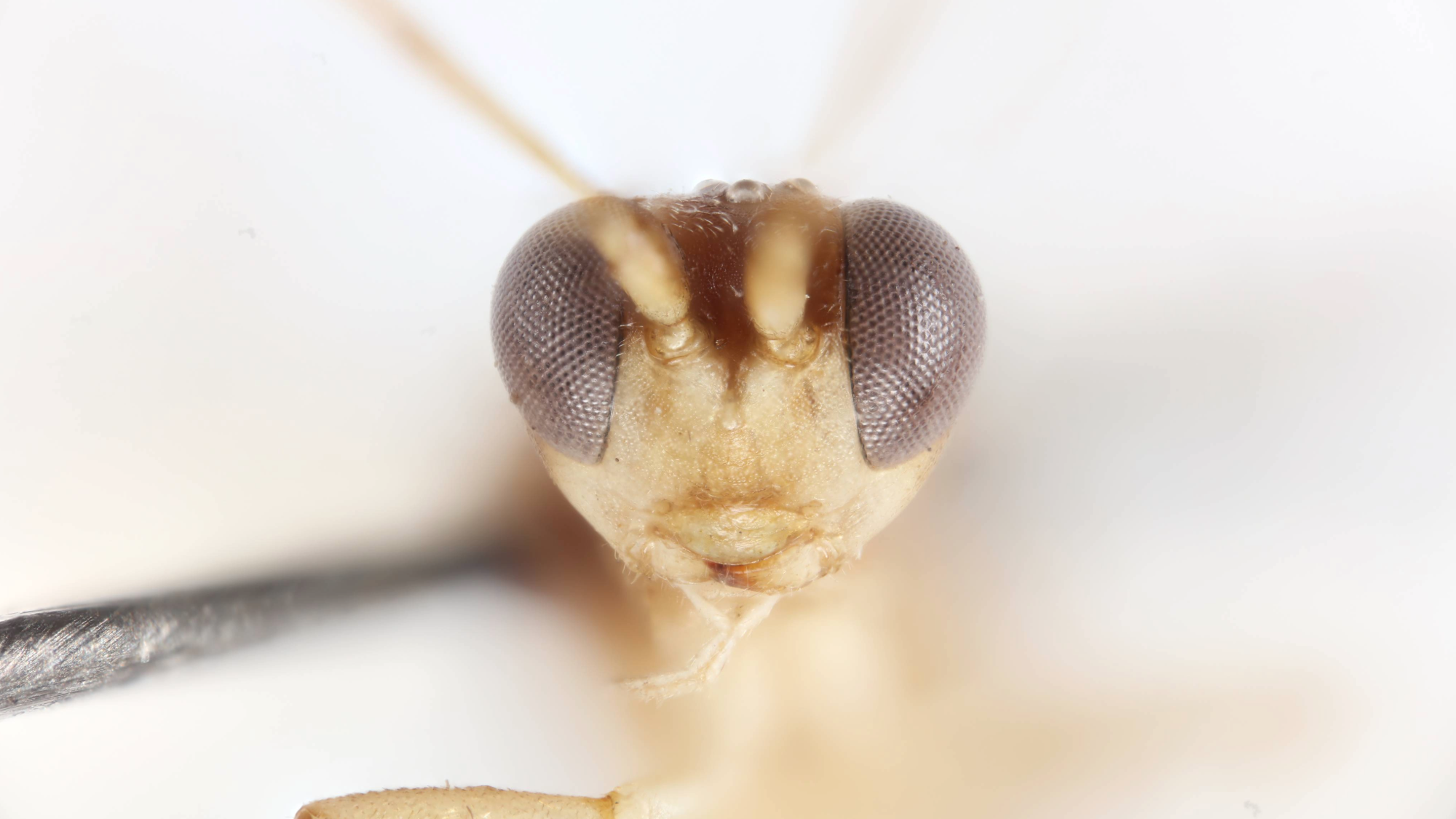
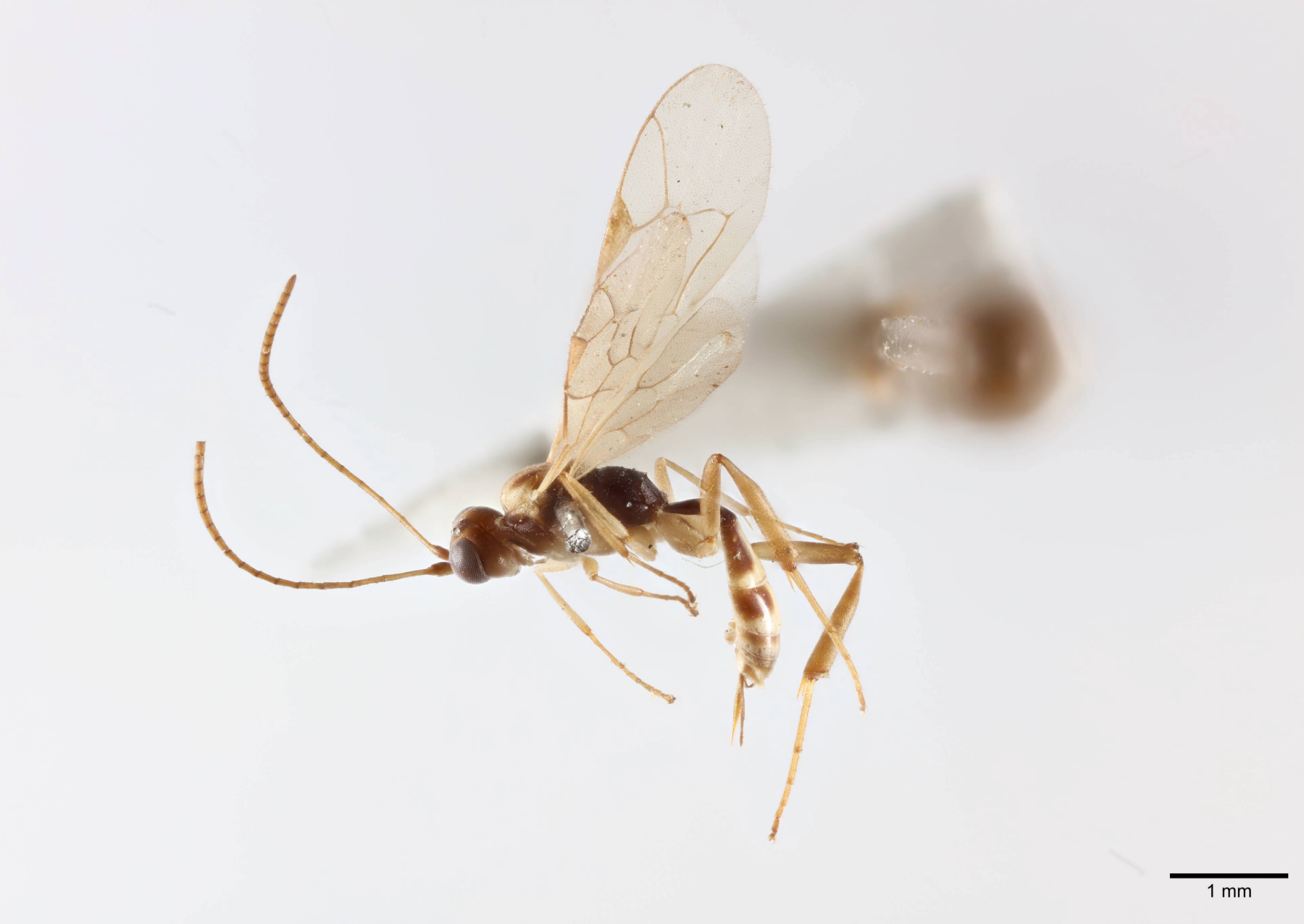
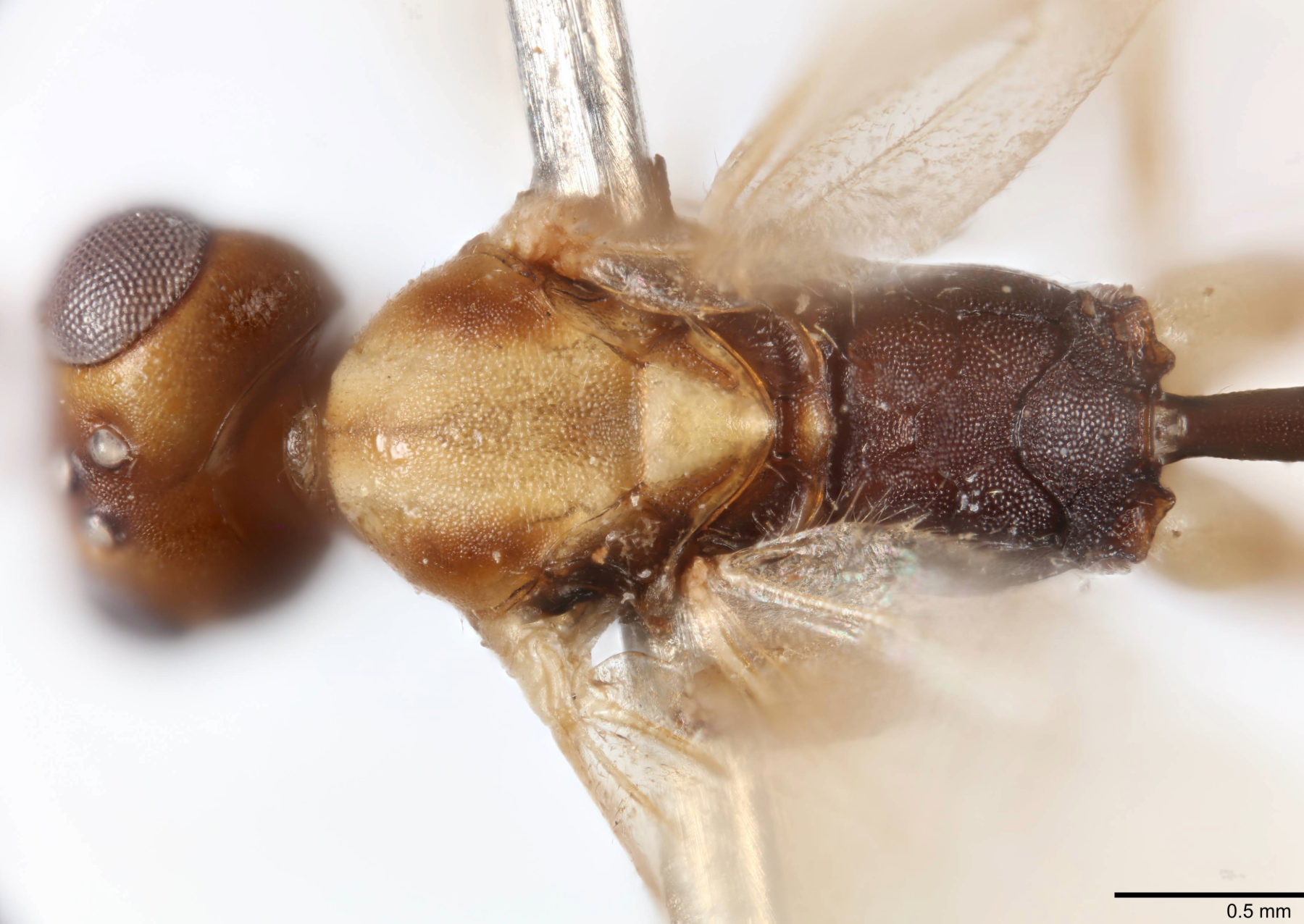
Meet Attenboroughnculus tau, a tiny parasitic wasp discovered in Chile. The specimen is 0.14 inches long and has a T-shaped marking on its abdomen that inspired the species name, “tau.” The insect was collected from Chile’s Valdivia Province in 1983, and it took over four decades for someone to officially recognize it as something new.
“We hope to inspire global scientists to take another look in their collections to see if there is something small that could contribute to our collective understanding and therefore the future of our natural world,” Jennifer Pullar, science communications manager at London’s Natural History Museum, says in a statement.
It was volunteer Augustijn De Ketelaere, a graduate student at Ghent University in Belgium, who noticed the insect’s unexpected traits while the team was examining the museum’s ichneumonid collections. Attenboroughnculus tau has a unique combination of anatomical features that make it different from already established genera: a strongly curved abdominal segment, toothlike structures on the ovipositor (which they use to lay eggs), and distinctive wing and leg morphology.
If you think Attenborough will be offended by the unsavory nature of the bug named in his honor, think again. Parasitoid wasps have appeared in his documentaries, such as the BBC nature documentary series The Trials of Life, in which he dubbed them the “bodysnatcher wasp.”
“David Attenborough has featured Chile’s diverse, extreme landscapes in several documentaries, emphasising the unique environmental challenges and ecological resilience of species within the country,” De Ketelaere, Pullar, and lead author Gavin Broad—principle curator of insects at the museum—write in a recent Journal of Natural History study. “He has used his work to reveal the intimate, unseen or overlooked within nature. This resonates in the discovery of this species in an unsorted drawer within the collections of the Natural History Museum, London.”
This isn’t the first time Attenborough is honored by taxonomists. In fact, the man has over 50 species named after him, including the carnivorous plant Nepenthes attenboroughii.
Happy Birthday Sir David Attenborough!
